
How to Actually Choose One Your Dog Will Use
Buying an outdoor dog house sounds simple—until your dog refuses to use it.
That’s the real problem most people face. Not price. Not design. Not brand.
You spend time picking something solid, weatherproof, maybe even good-looking in your yard… and your dog still chooses the concrete, the porch, or the grass instead.
When that happens, it’s almost never because your dog is “picky.”
It’s because the dog house failed at something more basic: it didn’t feel right the moment your dog stepped inside.
A good outdoor dog house is not about giving your dog space.
It’s about giving your dog a place that immediately feels stable, dry, protected, and worth staying in.
So instead of listing features, this guide walks through real backyard situations—using six common dog types—and shows you exactly what works, what goes wrong, and how to fix it before you waste money.
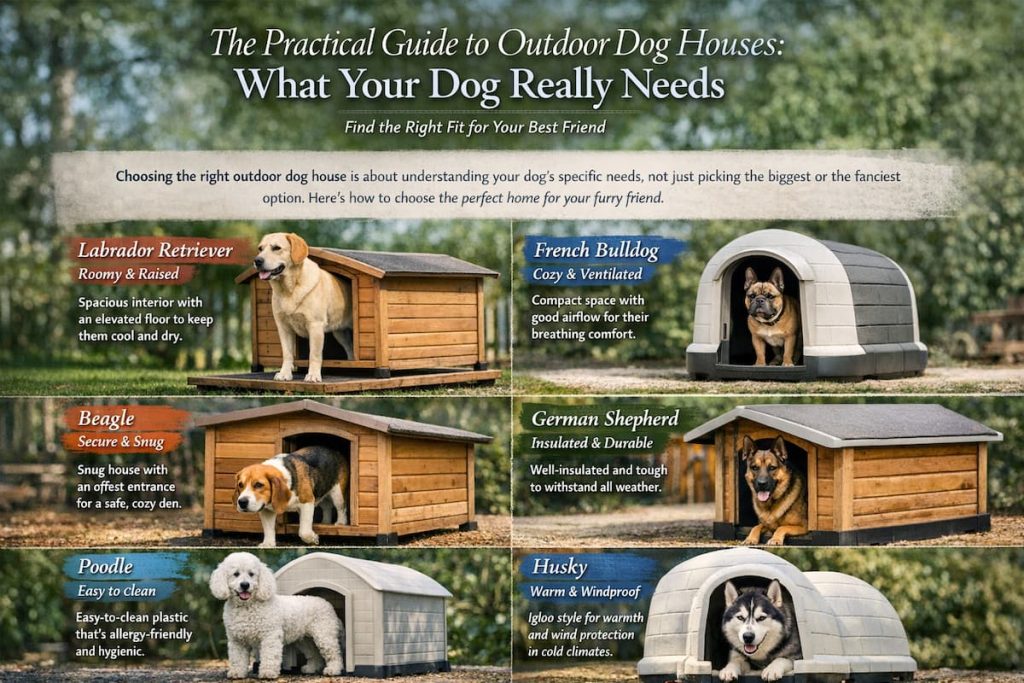
Labrador Retriever — The “Looks Big, Buys Too Big” Mistake
Labradors are one of the most common reasons people oversize dog houses.
You look at a Lab and think: this is a big dog, it needs space.
So you buy the largest option available.
That’s usually where things go wrong.
A Lab doesn’t need a “room.” It needs a space where it can lie down and feel contained. When the interior is too large, especially at night, the space becomes cold and hollow. The dog steps in, feels no warmth or boundary, and walks back out.
What actually works is a house that allows full movement—but not extra emptiness. When your Lab lies down, there shouldn’t be wide open space around its body. There should be just enough room to shift, stretch slightly, and settle.
If you’ve already bought one that’s too big, don’t replace it immediately. Add a thick, outdoor-grade mat and slightly “reduce” the usable space. Once the floor feels warmer and less empty, many Labs start using it naturally.
French Bulldog — When Ventilation Matters More Than Size
French Bulldogs are not difficult because of size—they’re difficult because of breathing.
A perfectly sized dog house can still fail completely if airflow is poor. These dogs don’t tolerate heat or stale air well, and many owners don’t realize that a “cozy” space can quickly turn into a trapped heat box.
If your Frenchie walks into a dog house and immediately backs out, especially on warmer days, it’s often not about space—it’s about air.
The fix isn’t to go bigger. Bigger doesn’t solve airflow.
Instead, you want a structure that allows air to move without exposing the dog to direct wind.
Plastic or resin houses work well here—but only if they have real ventilation, not just a front opening. Shade matters even more. A well-sized dog house placed under direct sun will be rejected faster than a slightly imperfect one placed in stable shade.
If your dog already avoids the house, try moving it first before replacing it. Location often fixes what size alone cannot.
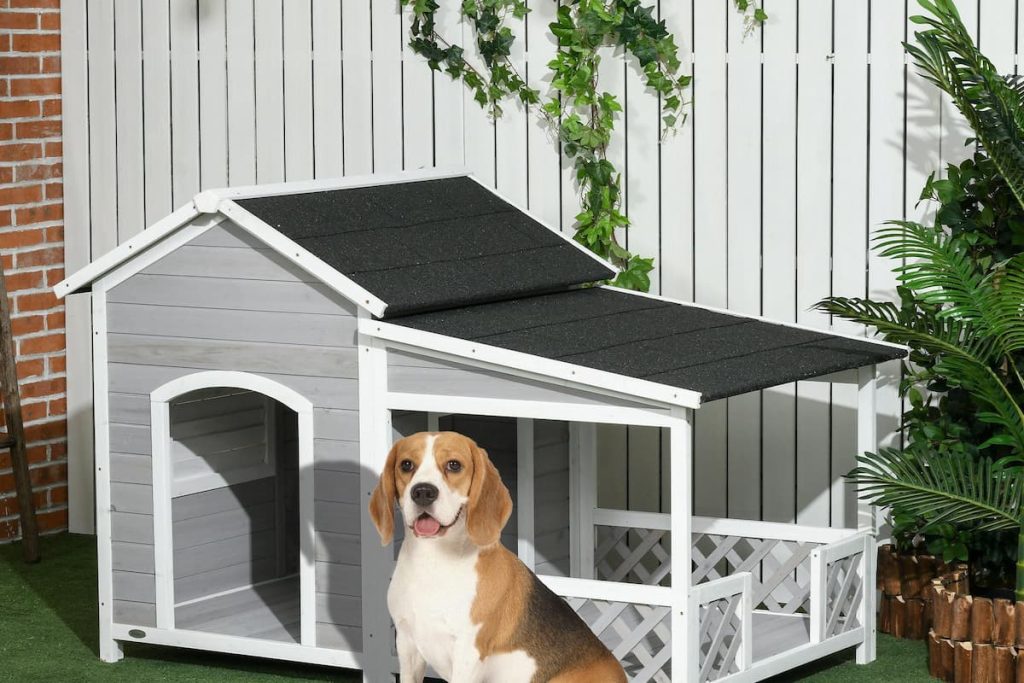
Beagle — The Dog That Needs a “Safe Corner,” Not Just a Shelter
Beagles are sensitive to exposure. They don’t just want shelter—they want a place that feels protected.
A common mistake is choosing a dog house with a large, centered opening. It looks symmetrical and clean, but it creates a space where everything—wind, noise, movement—enters directly.
Beagles notice that immediately.
They tend to avoid spaces where they feel “visible” or exposed. That’s why many Beagles prefer corners, walls, or tucked-away spots in a yard.
The solution is not to shrink the house, but to change how the space behaves.
A slightly offset entrance or a partially shielded doorway creates a hidden interior zone. That one small change often turns a rarely used dog house into a preferred resting spot.
If your Beagle sleeps near walls but not in the dog house, the issue isn’t size—it’s exposure.
German Shepherd — When Structure Matters More Than Comfort
German Shepherds are less sensitive to space and more sensitive to stability.
They will tolerate a slightly imperfect size, but they won’t tolerate a structure that feels weak, shaky, or inconsistent. Thin plastic walls, flexible panels, or unstable flooring often lead to instant rejection.
If your Shepherd steps in, shifts weight, and steps out—that’s your signal.
What works here is not softness, but solidity. A firm base, a stable roof, and materials that don’t flex under movement. Once that foundation feels reliable, they adapt quickly.
Many people over-focus on insulation for large breeds, but for Shepherds, durability and structure come first. Without that, even a perfectly sized house won’t be used.
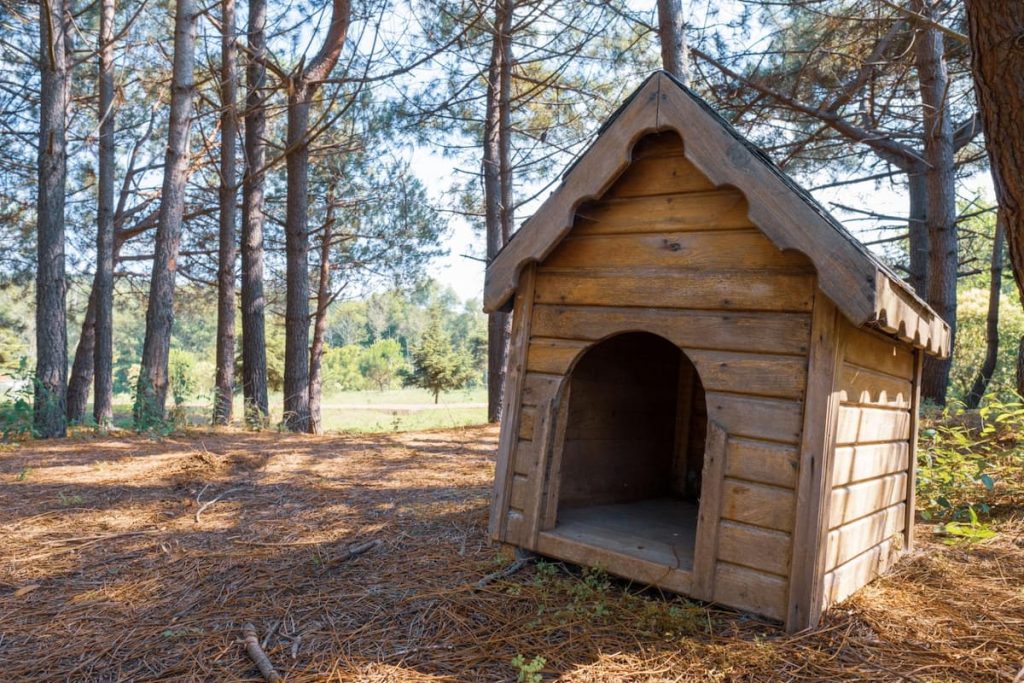
Poodle — Clean Space, Not Just Comfortable Space
Poodles often reject dog houses for a reason people don’t immediately see:
the space doesn’t feel clean.
This isn’t about visible dirt. It’s about moisture, smell, and surface feel.
If the floor holds dampness, if the interior traps odor, or if the material feels rough or inconsistent, many Poodles simply won’t settle.
This is where material choice matters more than size precision. Smooth, easy-to-clean interiors with good drainage or airflow tend to work far better than heavier, absorbent materials.
If your Poodle uses indoor beds but ignores the outdoor house, the issue is rarely size—it’s the environment inside the space.
Fix that, and the same house often becomes usable.
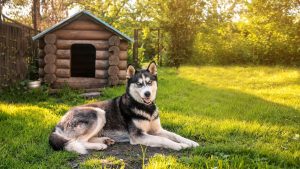
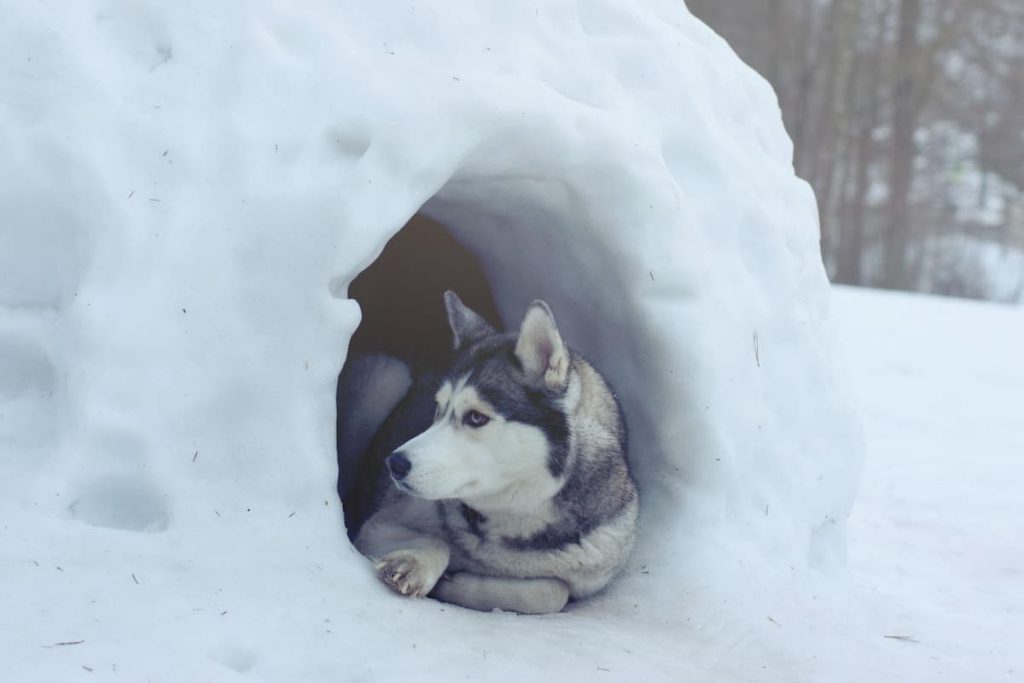
Husky — When the Problem Isn’t Cold, It’s Wind
People assume Huskies need extreme insulation.
Most of the time, that’s not the real issue.
Huskies handle cold well—but they hate unstable airflow.
A large, open dog house in a windy yard becomes uncomfortable fast, even if the temperature itself isn’t extreme. Wind moving through the space breaks any sense of stability.
That’s why Huskies often prefer curled positions behind objects or against barriers. They’re trying to control airflow, not temperature.
Rounded or enclosed structures work better here, not because they’re “warmer,” but because they reduce air movement inside the space.
If your Husky ignores a standard dog house but rests behind walls, fences, or corners, that’s your answer. It’s not about size—it’s about wind control.
If you’re planning to build one yourself, this is exactly where most DIY designs go wrong. A typical box-style kennel doesn’t manage airflow at all, which is why many Huskies refuse to use them. In our detailed DIY Husky Outdoor Dog House Guide, we break down how to design entrances, structure airflow, and build a shelter your dog will actually stay in.
What Actually Makes a Dog Use a Dog House
After all of this, the pattern becomes clear.
Dogs don’t evaluate dog houses the way humans do.
They don’t compare features or dimensions.
They respond to one thing:
How the space feels the moment they enter it.
If it feels:
- too empty → they leave
- too exposed → they avoid
- too unstable → they reject
- too damp → they ignore
But if it feels:
- contained
- dry
- protected
- and stable
They stay.
And when they stay once, they usually come back again.
The Only Real Test That Matters
Before you overthink specs, brands, or materials, there’s one practical way to avoid buying wrong:
Create a temporary space on the ground—using a mat, a box, or even just marked boundaries—and watch how your dog uses it.
Not where it fits.
Not how it looks.
But whether your dog chooses to settle there.
Because in the end, the best dog house is not the one that looks right in your yard.
It’s the one your dog quietly decides is worth staying in.